Top Differences Between Welding and Riveting in Sheet Metal Fabrication
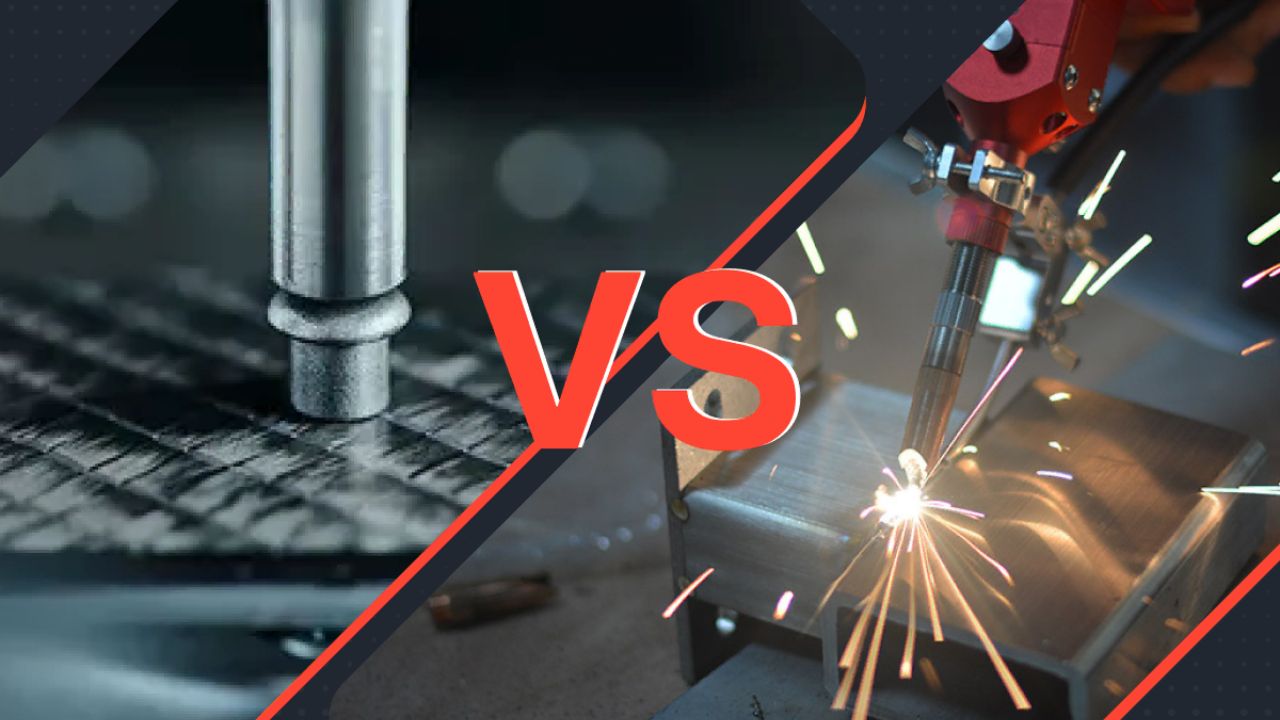
Directly related to strength, durability, cost, and product performance in sheet metal fabrication, methods of joining influence the product performance. Welding and riveting are two of the most common methods. Although the functions of the two techniques are the same, i.e., the bonding of metal components, the processes, outcomes and uses of the two techniques are very different. The knowledge of welding vs riveting is vital to the engineer, designer, and those manufacturers seeking to attain viable, economical, and quality fabrication results. ShincoFab uses both methods in the industrial projects, and the most appropriate method is chosen according to the type of material, structure requirements and volume of production. The article below discusses the most important differences between welding and riveting in sheet metal fabrication.
Joining Principle
Fusion is the process of welding. The edges of the metal constituents are heated such that they fuse together to a single unified entity. Riveting, on the other hand, is a mechanical procedure of fastening. Rivets are steel clampings used to join two or more sheets of metal, which do not modify the structure of the base material. This is the basic difference in the way each approach works in practice.
Structural Strength
Welded joints are generally stiffer and stronger. The metals being thus joined together in one piece, the joint usually becomes as strong as, or stronger than, the material around it. Riveted joints spread the loads through several fasteners, which contributes strength as well as offering strength through several connecting points instead of the fusion of the material, thus they are more advantageous in flexible structures.
Heat Influence
The heat generated in the welding leads to alteration in the mechanical properties of the metal and may produce distortion, warping or thermal stress. Riveting is a cold flow and does not use heat, and maintains the original shape, surface finish and mechanical integrity of thin and sensitive sheet metal parts.
Material Compatibility
The welding process normally involves similar or compatible metals to ensure that there is good fusion. Welding of heterogeneous metals is not only difficult technically, but can also be in practice. However, riveting is free to combine various materials, such as aluminum with steel or metal with composite panels, which is why it is more suitable for a fabrication project involving mixed materials.
Visual Appearance
Welded joints may be polished and finished with a clean and continuous through surface. This is relevant in visible elements and aesthetics. The rivets are not concealed in riveted joints, and the heads of rivets are incorporated into the finished image, either due to their need or a deliberate industrial style.
Skill and Training Requirements
The level of technical training, experience, and certification is needed in a way that joint integrity and safety are guaranteed in welding. Poor welding may cause structural failure. Riveting needs much less training as it is a simple and standard process, and is easier to apply in simple fabrication conditions.
Equipment and Setup Cost
The capital required in welding systems is more in terms of machines, power supply, shielding gas, safety equipment and ventilation systems. In comparison, riveting tools are relatively inexpensive, portable and have fewer infrastructure requirements; they are more affordable to small workshops and prototyping spaces.
Rework and Maintenance
The welded joints are hard to undo. Remedies of errors may involve cutting, grinding, and re-fabrication, thereby leading to more labor and material waste. The fasteners used in riveted joints are removable through drilling and, therefore, repairs, design modification, and maintenance become easier and more cost-effective.
Application Scope
Welding is recommended in heavy-duty construction, like a frame, tank, load-bearing support, and enclosed containers, where strength and airtightness are imperative. Riveting is preferred in activities that use thin sheet metal, modular assemblies, lightweight enclosure and activities where dismantling or compatibility of materials is necessary.
Conclusion
Each of the riveting and welding has an essential part in the contemporary sheet metal production. Welding has better structural strength, a smooth finish and airtight seals that are used in heavy-duty applications. Riveting offers flexibility, material versatility, easy assembly and low thermal risk to fragile or mixed material projects. These two approaches will be determined by structural requirements, the type of materials used, the size of production and the maintenance requirements over the long run.
In ShincoFab, the choice of method of fabrication is determined by engineering performance, cost efficiency, and reliability in production. Knowing the fundamental distinctions between welding and riveting, manufacturers and designers are able to make a wise choice that will enhance the quality of a product, minimize the risks of the manufacturing process, and guarantee long-term efficiency in the work with custom sheet metal fabrication.