What Is the Influence of Garage Door Track Radius on the Performance of Doors
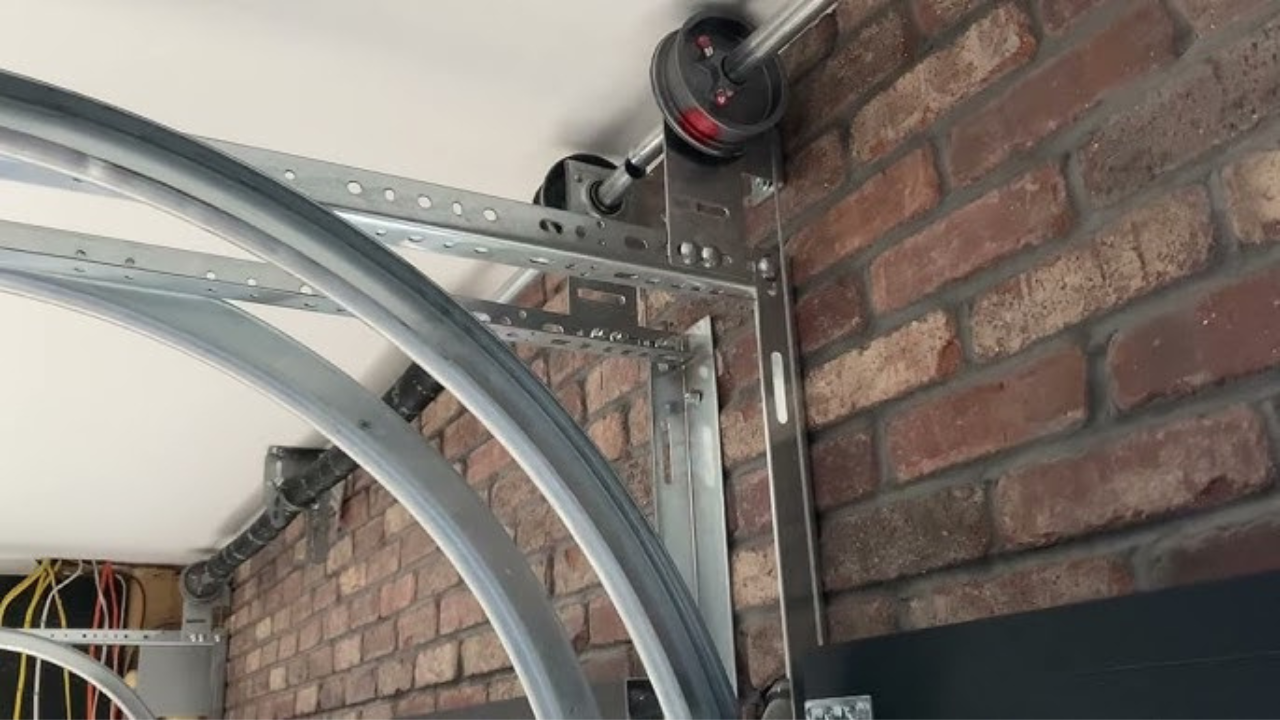
Garage door systems are considered to be based on accurate engineering to make sure that they operate well, and the track radius is one of the least known and most critical aspects. A track radius is the curved part of the track that is on the garage door, which takes the door from its vertical position and turns it into the horizontal position as it opens. It can be a little fact, but the radius will be great in the efficiency, quietness, and safety with which a garage door will operate. Learning the influence of the garage door track on performance assists homeowners, contractors, and installers in making better choices when selecting, replacing, or upgrading the garage door systems.
Knowledge of Garage Door Track Radius
Actually, the curve is the top path on the vertical tracks and is known as the track radius. This curve will allow the door to start straight upward movement and then switch into horizontal sliding movement in the ceiling. Most residential models of garage doors are being fitted with a 12-inch radius (15-inch radius), but commercial installations may utilize a higher radius to accommodate tall or heavier door models. The narrower the radius, the tighter the arch, and the higher the door will come and then flatten out. The larger the radius, the more gradual the curve, and the smoother the transition will become. This difference may be difficult to observe, but it affects many performance factors, including the size of the headroom needed, the weight on the mechanical components, and the rapidity of opening and closing.
Impact on Door Movements and Smoothness
The other major aspect that is affected by the track radius is the general smoothness of the movement of the door. The stiffer the curve, the sharper the transition made by the door, and therefore, the more resistance there might be. This is quite evident on the heavier doors made of steel, wood, or insulation layers.
A bigger radius by comparison offers a softer transition; thus, the door sliding into the horizontal position does so with less friction. This is a smoother path that lessens the stress on rollers, hinges, and the door opener. Consequently, a 15-inch radius track tends to contribute to less noise, so it is mostly used in garages that are located adjacent to living spaces.
In general, the radius influences the convenience and the functionality of the door parts in terms of durability as well. A smoother operation usually corresponds to decreased maintenance and fewer repairs in the long run.
Effect on Efficiency of the Opener and Motor Strain
The garage door opener operates together with the track system. In case the door height or weight is not enough to lift the vehicle on the curve, the opener has to provide additional force to lift the door through the curve. This may eventually result in more motor stress, a shorter life cycle, and overheating.
The bigger the radius, the less this demand is placed, and the more natural course the opener is left to follow. The resultant movement causes less tension on the motor, belt, or chain mechanism. The correct selection of the radius also makes the whole garage door system energy-efficient and reliable.
In houses where the insulated doors are heavy, where the doors are of wood, or where the doors are oversized, it is quite possible that a higher-radius track will be of considerable benefit in terms of daily operation efficiency and in protecting the opener against early failure.
Effect on Door Balance and Safety
The radius has also been found to be involved in the maintenance of the appropriate door balance. A door opened on the wrong radius may not distribute its weight equally when it is opened, resulting in an irregular movement or an uneven alignment. Such an imbalance may result in the probability of the door going off track or causing mechanical failure.
Also, a low radius track will eliminate the likelihood of the roller binding or snapping out of the track. Garage doors are heavy, and they operate on tension; therefore, proper alignment of the doors is significant to ensure that there is safety. Motion is predictable with the correct radius, and this improves the degree of operational safety and system reliability.
Conclusion
It is advisable that it should be managed by a professional supplier or installer so that they are fitted with the specification of the door and the environmental conditions. The craftsman must understand that using the correct track radius will enhance performance, prolong component life, and make the garage door system more efficient and quieter.