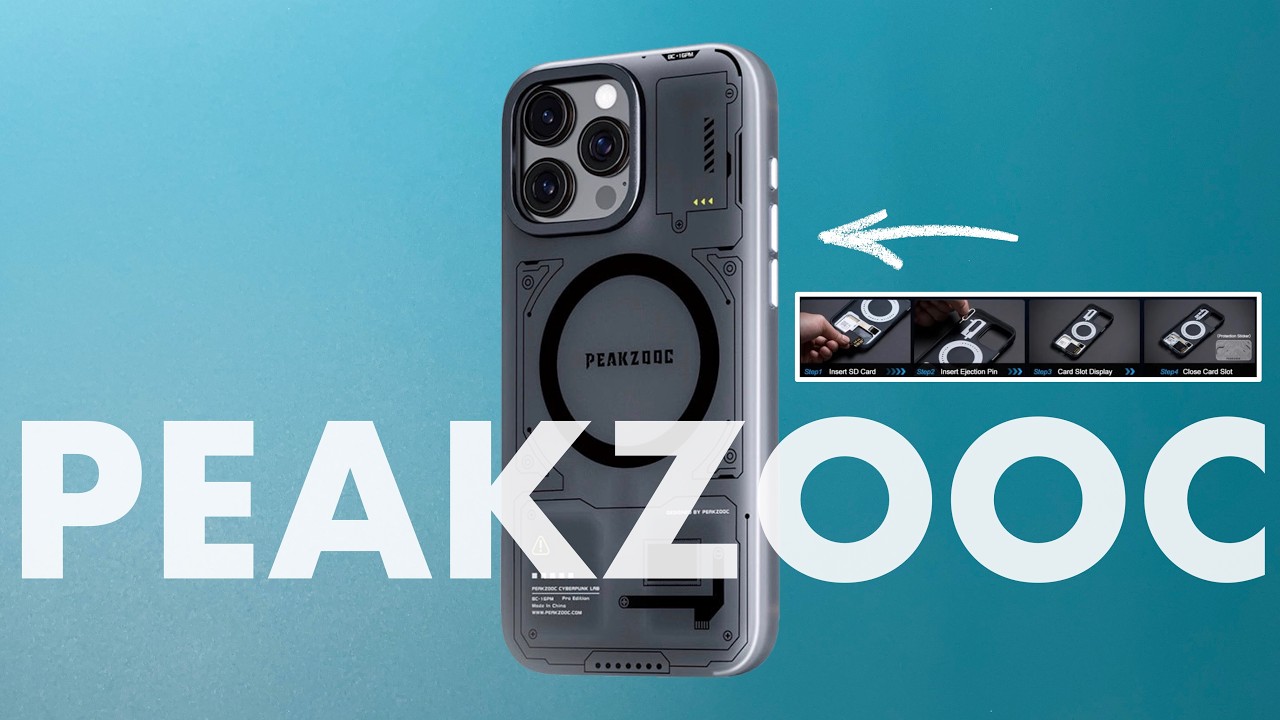
Why Peakzooc MagSafe Cases Are Drop-Tested for Maximum Protection
Phone drops happen often during daily life with regular handling and movement. Screen damage, like cracks, dents, and scratches, is common after drops. A phone case can help prevent this. Peakzooc magsafe accessories undergo drop tests to measure durability and performance. These tests check how well a case protects a phone from real-world impacts. Understanding why drop testing matters helps explain protective design choices. This article explains the role of drop tests in case performance.
What Drop Testing Means
Drop testing places a phone case with the device into controlled fall scenarios. The goal is to mimic common accidents at various heights and angles. Testing evaluates how the case absorbs shock and spreads impact force along edges. Different surfaces, like wood, concrete, and tile, can be part of tests. Sensors often measure how much force reaches the phone’s body during impact. A tested case provides data that shows its protective strength. This helps compare protective quality between different designs and materials.
Materials That Help with Protection
Case materials influence shock absorption and impact resistance during drops. Flexible materials reduce peak force by spreading the energy over a wider area. Rigid frames add structural strength around edges and corners where most impacts occur. Clear frames maintain visual design while still offering protective features. Some MagSafe cases use reinforced corners to guard against edge hits. A balance between rigidity and flexibility supports both protection and fit. Drop test results reflect how different materials perform under stress.
How MagSafe Features Interact with Protection
MagSafe requires built-in magnets to align accessories and wireless chargers. These magnetic elements must not weaken the protective frame during impact. A well-tested case keeps magnetic alignment while still reducing shock force. Drop testing shows how the magnetic design affects overall strength. Cases include built-in magnetic rings without reducing surface strength. Proper magnet layout enhances accessory attachment without compromising safety. Reliable magnetic performance supports charging and stand functions after drops.
Reinforcement for High Impact Areas
Corners and edges are the most vulnerable points during a fall. These areas often hit surfaces first during accidental drops. Drop testing shows how reinforced zones handle repeated impacts at different angles. Raised lips around the screen and camera further protect sensitive areas during falls. Such features reduce direct contact between the phone’s glass and hard surfaces. Testing checks how often these protections work under sudden stress. Quality results help refine the placement of reinforcement areas.
Consistency Through Repeated Testing
One drop does not represent all the daily accidents a phone might face. Testing uses multiple drops at various heights to mimic real-life situations. Consistent performance across tests shows whether a case holds up over time. A dependable case should not weaken after repeated minor impacts. Drop tests also reveal weak spots that need design improvement. Manufacturers use this data to adjust materials and structural layout. Results also help communicate protective capability to informed consumers.
Real World Benefits of Drop-Tested Cases
Phones that survive more drops show fewer display cracks and frame dents over time. Reduced phone damage lowers repair costs and extends device life. Users can handle devices with more confidence in crowded or busy settings. Reliable protection also makes phones more suitable for outdoor and work environments. Cases that consistently pass drop tests help maintain resale value. This matters when replacing devices after long-term use.
Comfort and Handling After Testing
A protective case should remain comfortable after performance improvements are added. Ergonomic shapes help users hold devices with reduced slip risk. Smooth edges and appropriate thickness support daily handling ease. Drop-Tested designs take both comfort and protection into account. A good case should not make the device feel heavy or awkward. Test results also check whether comfort features degrade after repeated impacts. Balancing fit, feel, and safety contributes to daily user satisfaction.
MagSafe Accessory Compatibility After Impact
Phones often use magnetic accessories like stands and chargers throughout the day. A case with tested magnetic alignment retains accessory support after drops. Results show whether magnetic performance holds up after repeated impacts. Poorly designed magnetic layouts can shift under stress and reduce accessory fit. Drop testing helps prevent such performance issues before products reach users. Reliable magnet attachment supports both protection and daily convenience needs. Tested cases aim to maintain both protective strength and magnetic function.
Conclusion
Phones often sustain small damage through daily use. Protective cases help prevent common drops and impacts. Drop testing assesses phone durability under controlled conditions. Materials, reinforcement features, and magnetic design all affect protective performance. Tested cases show how design choices handle real-world stress. Consistent testing reveals reliability across repeated impacts. Standards help compare results between different protective options. A balance between comfort and protection supports practical daily use. Drop-tested designs aim to lower repair costs and extend device usefulness. Understanding test results adds clarity to protective decisions for regular routines.